
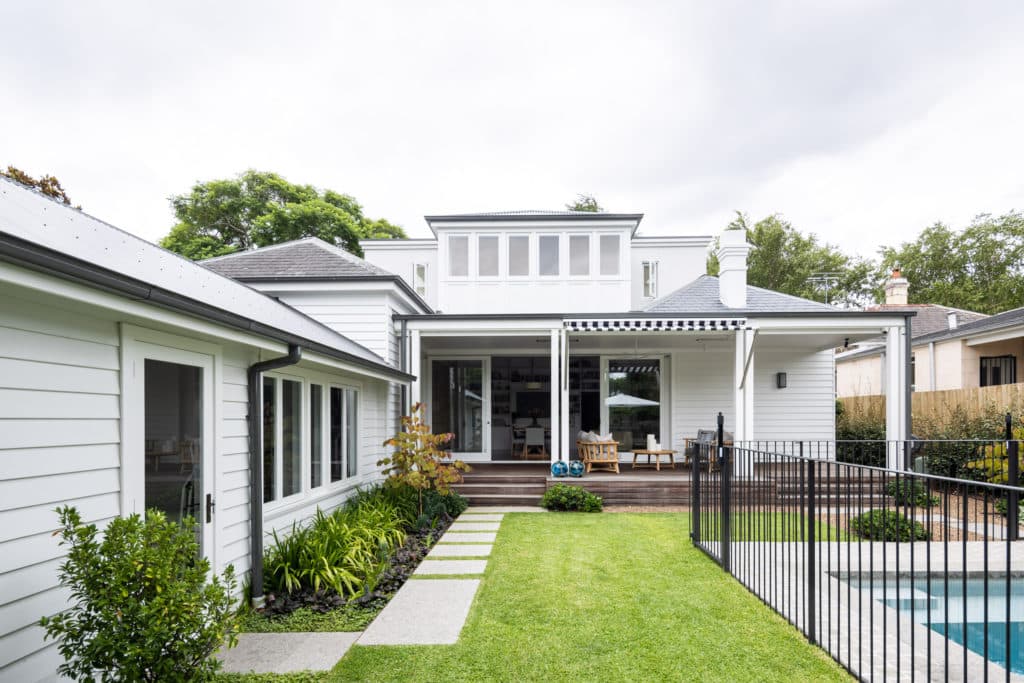
Planning to build a home in Sydney? Navigating this complex process requires understanding key factors such as planning, budgeting, compliance, and selecting the right professionals. This article breaks down the 10 essential considerations you need to know to ensure your building a home journey is smooth, successful, and results in the perfect home that suits your lifestyle and budget. From initial feasibility assessments to final construction stages, being well-informed will empower you to make confident decisions every step of the way.
Key Takeaways
- Start with thorough planning and feasibility assessments to ensure your dream home aligns with site potential and budget.
- Stay updated on regulatory compliance and select qualified builders and consultants to safeguard your investment.
- Incorporate sustainability measures and energy-efficient designs to enhance long-term comfort, reduce costs, and boost your home’s value.
Preliminary Planning & Feasibility
The journey to your dream home starts by aligning your vision with the site’s potential through a house and land package. Concept designs and feasibility assessments ensure your ideas are practical. Visiting the site helps you understand its possibilities. Key site checks like zoning and title searches confirm project viability and prevent legal issues. Regular design meetings keep you aligned with the team throughout the home-building process. An early budget estimate guides your finances, clarifying costs and setting realistic expectations, including potential additional expenses.
Collaborating with consultants during detailed design development ensures a comprehensive approach. Final costings and construction documents confirm budget and timelines before construction begins.
Regulatory Framework & Compliance Requirements
Understanding the regulatory framework is crucial when building a home in Sydney. The National Construction Code (NCC) establishes technical standards for building design and construction in Australia, emphasising safety, health, and sustainability. Compliance with the NCC is mandatory, ensuring all building projects meet established safety and performance benchmarks.
The NCC also includes specific provisions for fire safety, health, accessibility, and energy efficiency, impacting how homes are constructed. Staying updated with amendments, such as those planned for May 2025, ensures your project adheres to the latest standards set by the Housing Industry Association. This regulatory compliance not only ensures safety but also enhances the long-term value of your home.
Cost & Financial Management
Setting a realistic budget is paramount before starting construction. This budget should include:
- Land purchase and permits
- Current average costs range from AUD 1,500 to AUD 3,000 per square metre
- A contingency fund amounting to 10-15% of the total budget to cover any unexpected expenses that may arise during the building process.
Monitoring expenses regularly throughout the construction process prevents budget overruns. Budgeting software can help track costs effectively. Minimising last-minute changes is crucial, as they typically incur additional costs for materials and labour.
A reliable home builder significantly aids budget management, providing cost-saving suggestions and helping avoid costly mistakes. Prioritising essential needs over luxury wants keeps construction costs in check while allowing for potential future upgrades. This approach provides flexibility in budgeting and ensures that your financial situation remains stable throughout the entire process. Incorporating building tips can further enhance your strategy.
Design, Orientation & Lifestyle Fit
Creating your dream home involves integrating factors like site orientation, climate responsiveness, and layout considerations for your family. An effective home design considers the local climate to ensure thermal performance, enhancing comfort and reducing energy costs. Additionally, various home designs can be explored to suit individual preferences for your own home.
A qualified designer can significantly enhance the exceptional quality of your home and streamline the construction process with innovative designs and tailored solutions, including award winning designs. Incorporating sustainability features during design can lead to significant long-term savings on energy and water costs. Passive design techniques, including optimal orientation and solar access, maintain indoor comfort.
Concept designs should be evaluated on criteria like spatial efficiency, aesthetic appeal, and climate suitability. This thorough site analysis helps identify design strategies that leverage the strengths of your location while mitigating any challenges.
Sustainability & Energy Efficiency Measures
Incorporating sustainability and energy efficiency measures is not just a trend; it’s a necessity for modern home building. Homes with proper orientation and layout can significantly reduce reliance on artificial heating and air conditioning systems. This thoughtful design leads to a more comfortable life environment and lower energy bills.
Proper window placement and treatment are crucial for energy efficiency, especially in managing sunlight and airflow. Complying with the energy efficiency standards set by the Building Code of Australia ensures that your new home is both sustainable and cost-effective in the long run.
Builder & Consultant Selection
Selecting the right builder and consultants is critical to your project’s success. Consultants evaluate your project’s feasibility by analysing budget, site conditions, and regulations. Researching builders through industry association websites, like the Master Builders Association, helps identify trusted home builders and industry leaders.
To protect your investment and ensure a smooth project, consider the following steps:
- Ensure your contractor has the necessary licences.
- Ask previous clients for references to gain insight into the builder’s reliability and quality of work.
- Review and understand contract details, including costs and timelines, before signing to avoid misunderstandings.
Verifying a contractor’s insurance safeguards your project against financial loss from unforeseen events. A signed building contract clarifies expectations and protects both parties involved in the construction process, including the terms outlined in contracts.
Materials, Finishes & Long-Term Durability
Choosing the right materials and finishes ensures the long-term durability of your home. Timber is a lightweight and versatile building material, but it faces challenges such as decay and vulnerability to pests and fire. Brick, on the other hand, is renowned for its strength and weather resistance, making it a staple in construction for thousands of years.
Stone provides exceptional durability and can support heavy loads without the need for mortar, but it is labour-intensive to quarry. Concrete, especially when reinforced with steel, offers flexibility in design and is known for its strength in various structural applications. Steel is increasingly used in construction due to its recyclability and ability to provide robust support for taller buildings.
Timeline, Scheduling & Logistics
Understanding the timeline and logistics of building a home ensures effective project management. Building a standard home in Australia typically takes 6 to 12 months, influenced by various factors. The design and planning phase can take 3 to 6 months, depending on project complexity and necessary permits. Home builders perth play a crucial role in this process.
The construction phase is divided into different stages, each requiring careful coordination: start building – Base – Frame – Lockup – Fixing – various stages – Complete stage.
The size and number of storeys in a home significantly impact the construction timeline, with more levels requiring more time. Custom-built homes typically require 12 to 24 months due to unique designs and extensive planning.
Delays in construction timelines can be caused by:
- Delays in council and financial approvals, especially if the documentation is complex.
- The expertise of builders and contractors, as experienced professionals manage tasks more effectively.
- Supply chain disruptions may require alternative sourcing or schedule adjustments.
Managing Risk & Compliance Throughout Build
Effective risk management starts by eliminating potential hazards before implementing other control measures. An emergency plan must be established before construction, detailing procedures for various crisis scenarios such as medical emergencies or natural disasters.
Safe Work Method Statements (SWMS) are required for high-risk construction activities, outlining hazards and risk control strategies. Consulting with workers when implementing changes to safety procedures ensures their understanding and compliance.
Enhancing Liveability & Value
Incorporating sustainable design elements in a home can lead to significant savings on energy costs over time. Homes with effective passive features, such as proper window shading, greatly reduce cooling needs and associated costs. Investing in energy-efficient appliances leads to lower ongoing operating costs, benefiting homeowners financially in the long run.
Sustainable housing designs enhance market value, as features like energy efficiency are increasingly sought by home owners. Well-designed existing home accommodations for future changes minimise disruption and costs associated with renovations as household needs evolve. Houses that prioritise these designs can attract more buyers.
Smaller, efficient floor plans decrease construction expenses and lead to lower energy consumption and maintenance costs.
Let Watermark Construction Group Help You Build Your Home in Sydney!
At Watermark Construction Group, we have proudly established ourselves as a premier builder for high-end residential projects in the Northern Beaches. Our meticulous approach to construction guarantees exceptional quality and architectural integrity in every project we undertake. Leveraging advanced technologies such as Building Information Modelling, we enhance construction accuracy and efficiency to deliver outstanding results.
Our process begins with thorough initial consultations, where we work closely with you to align the building project with your expectations regarding style and functionality. Throughout the construction phase, we ensure your ongoing involvement to maintain transparency and satisfaction, making your dream home a reality. Get in touch with us!
Summary
Building a home in Sydney involves careful planning, adherence to regulatory standards, effective cost management, and a focus on sustainability and quality. By following these essential steps, you can ensure a smooth home-building journey and create a space that meets your needs and lifestyle.
Remember, the journey to building your dream home is not just about the final product but the entire process. Take the time to plan, budget, and select the right team to bring your vision to life. Happy building!
Frequently Asked Questions
What are the initial steps in the home building process?
The first steps in home building are to align your vision with the site’s potential through concept designs and feasibility assessments, followed by key site investigations and regular design meetings to keep everyone on the same page. This helps ensure your dream home is designed with both practicality and creativity in mind.
How important is it to comply with the National Construction Code (NCC)?
It’s absolutely essential to comply with the NCC since it establishes vital standards for safety and sustainability in construction. By following these guidelines, you’re not only ensuring your home is safe but also boosting its value in the long run.
What factors should be considered when establishing a budget for home construction?
To effectively establish a budget for home construction, focus on all costs such as land, permits, and construction expenses, and don’t forget to set aside a contingency fund for unexpected issues. Regularly monitor your spending and prioritise essential needs to stay within budget!
How can I ensure my new home is energy efficient?
To make your new home energy efficient, focus on smart design features like optimal window placement and comply with building codes for energy standards. Also, consider investing in energy-efficient appliances to really boost your savings.
How do I choose the right builder and consultants for my project?
To choose the right builder and consultants, take the time to research their industry credentials, check for necessary licences, and gather references from past clients. Don’t forget to verify their insurance to protect your investment!